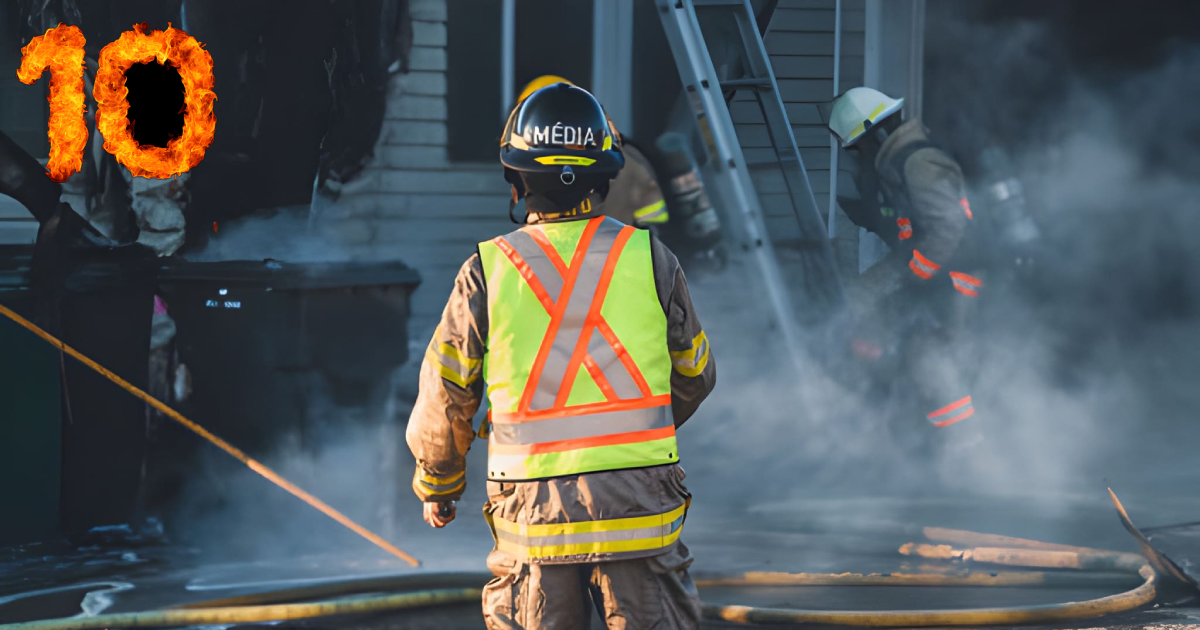
Fire safety is a fundamental responsibility for landlords, property owners, and managing agents across the United Kingdom. Residential buildings, particularly those with shared or communal areas, present unique fire risks that must be effectively managed to protect occupants and ensure compliance with fire safety legislation. Understanding the Common Fire Safety Issues in Residential Buildings is essential for reducing the likelihood of fire incidents and meeting legal obligations.
This article outlines the ten most frequently identified fire safety issues in residential buildings and explains why they occur, how they impact safety, and what can be done to address them.
Why Fire Safety Issues Occur in Residential Buildings
Fire safety issues often arise due to a combination of factors, including aging infrastructure, changes in building use, inadequate maintenance, and a lack of awareness of legal responsibilities. Many residential buildings were constructed before modern fire safety standards were introduced, making ongoing assessment and improvement essential.
Without regular Fire Risk Assessments and proactive management, small deficiencies can escalate into serious hazards that put lives at risk.
1. Absence of a Suitable Fire Risk Assessment
One of the most common fire safety issues in residential buildings is the lack of a suitable and sufficient Fire Risk Assessment. In some cases, assessments are outdated, incomplete, or conducted by individuals without adequate competence.
A proper Fire Risk Assessment identifies hazards, evaluates risks, and recommends practical control measures. Without it, landlords may be unaware of significant fire safety deficiencies and may fail to meet legal requirements.
2. Poorly Maintained Fire Doors
Fire doors are essential for preventing the spread of fire and smoke between compartments. Inspections frequently reveal fire doors with damaged panels, missing intumescent seals, faulty self-closing devices, or doors that have been wedged open.
When fire doors do not perform as intended, occupants may be exposed to smoke and heat far earlier during a fire, significantly reducing evacuation time.
3. Obstructed Escape Routes
Clear and unobstructed escape routes are critical for safe evacuation during a fire. Common issues include storage of personal belongings in corridors, bicycles blocking stairwells, and restricted access to final exits.
Even minor obstructions can delay evacuation and increase the risk of injury or fatalities, particularly in buildings with vulnerable occupants.
4. Inadequate Fire Detection and Alarm Systems
Fire detection and alarm systems provide early warning and are a vital component of residential fire safety. Common problems include outdated systems, insufficient detector coverage, and poor maintenance.
Inadequate fire detection can result in delayed response, allowing fires to grow unchecked and increasing the likelihood of serious damage and loss of life.
5. Insufficient Emergency Lighting
Emergency lighting ensures that escape routes remain visible in the event of power failure caused by a fire. Inspections often identify missing, poorly positioned, or non-functional emergency lighting.
Without adequate emergency lighting, occupants may struggle to evacuate safely, particularly in stairwells, corridors, and enclosed areas.
6. Electrical Fire Hazards
Electrical faults are a leading cause of residential fires. Fire Risk Assessments frequently identify issues such as overloaded sockets, damaged wiring, outdated electrical installations, and the use of substandard appliances.
Effective electrical safety management, including regular inspections and tenant awareness, is essential to reduce the risk of electrical fires.
7. Poor Housekeeping and Combustible Storage
The accumulation of combustible materials in communal areas is a common fire safety issue. Items such as furniture, cardboard boxes, and waste stored in corridors or stairwells increase fire load and obstruct escape routes.
Good housekeeping practices are essential for reducing ignition sources and maintaining safe evacuation paths.
8. Lack of Fire Safety Signage and Resident Information
Clear signage and fire safety information help occupants understand how to respond in an emergency. Common deficiencies include missing fire action notices, unclear escape route signage, and a lack of information about evacuation strategies.
Residents should be informed whether the building operates a stay-put or simultaneous evacuation strategy and understand their responsibilities in the event of a fire.
9. Inadequate Fire Safety Awareness and Training
In managed residential buildings, staff and residents may not receive adequate fire safety guidance. This can lead to unsafe behaviours such as disabling fire alarms, wedging fire doors open, or improper use of electrical equipment.
Providing fire safety information and training significantly improves compliance and reduces the likelihood of fire incidents.
10. Failure to Review and Update Fire Safety Measures
Fire safety is not static. Changes to building layout, occupancy, or use require fire safety measures to be reviewed and updated. One of the most common fire safety issues in residential buildings is the failure to review Fire Risk Assessments regularly.
Regular reviews ensure that safety measures remain appropriate and effective as conditions change.
Legal Consequences of Fire Safety Failures
Under the Regulatory Reform (Fire Safety) Order 2005, the responsible person must take reasonable steps to reduce fire risks. Failure to address identified issues can result in enforcement notices, unlimited fines, and, in serious cases, prosecution.
Compliance is not optional, and enforcement authorities increasingly expect evidence of proactive fire safety management.
The Role of Professional Fire Risk Assessments
Professional Fire Risk Assessments play a crucial role in identifying and addressing common fire safety issues in residential buildings. A competent assessor provides clear, prioritised recommendations that help landlords and managing agents manage risk effectively.
Professional assessments also demonstrate due diligence and assure insurers and enforcing authorities.
Reducing Fire Safety Risks in Residential Buildings
Landlords and property managers can reduce fire risks by:
- Conducting regular Fire Risk Assessments
- Maintaining fire doors and alarm systems
- Keeping escape routes clear
- Communicating fire safety information to residents
- Acting promptly on assessment recommendations
Proactive fire safety management protects occupants and reduces the likelihood of enforcement action.
Conclusion
Understanding the Common Fire Safety Issues in Residential Buildings is essential for maintaining safe living environments and ensuring legal compliance. Most fire safety problems arise from neglect, lack of awareness, or failure to review safety measures regularly.
Through professional Fire Risk Assessments and ongoing management, landlords and property managers can significantly reduce fire risks, protect occupants, and demonstrate compliance with UK fire safety legislation.