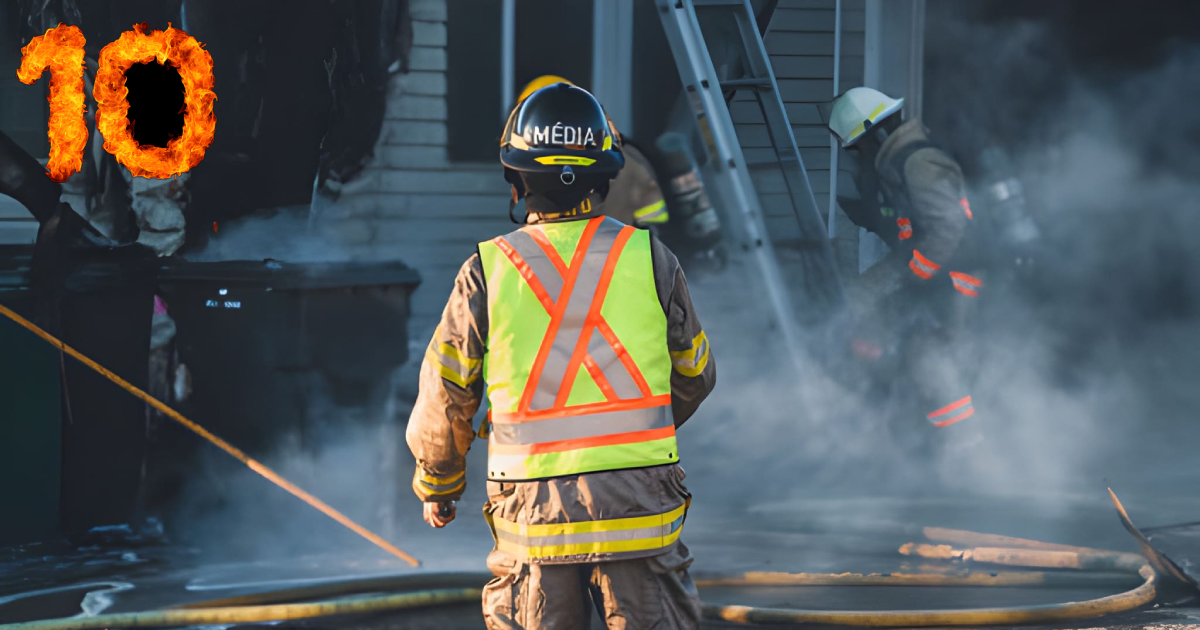
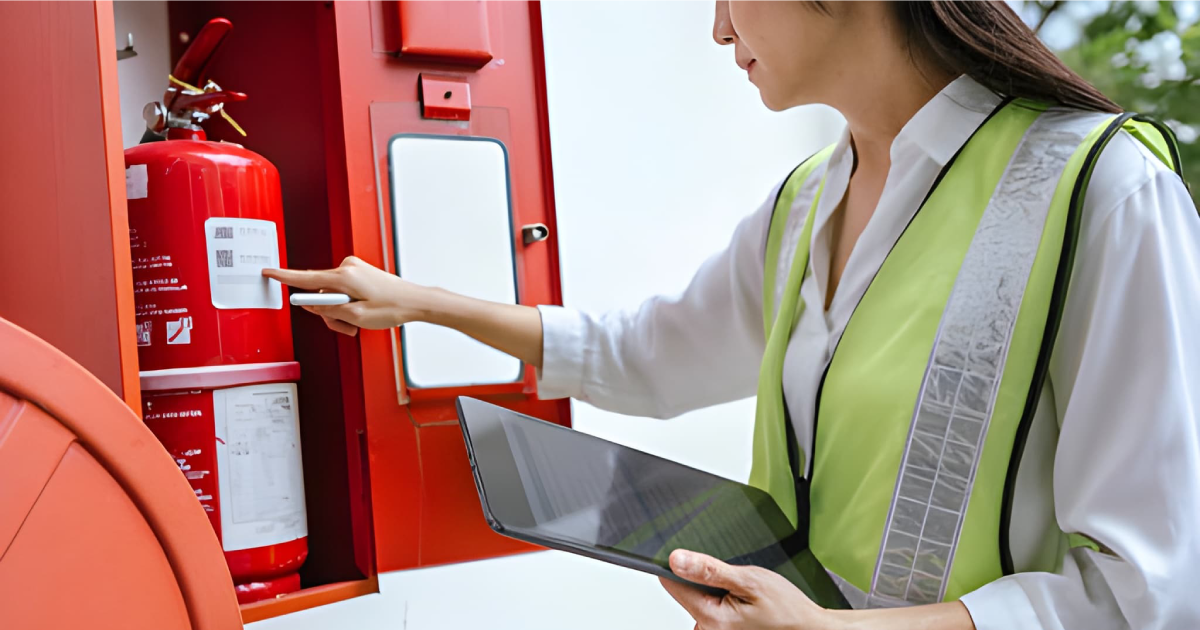
Fire safety management in Houses in Multiple Occupation (HMOs) and multi-occupancy buildings requires careful planning and ongoing control. These properties typically house multiple residents from different households who share communal facilities, which increases the likelihood of fire incidents. Effective Fire Safety in HMOs is essential to protect occupants, limit property damage, and meet legal requirements.
This article explains the key legal responsibilities, common fire risks, and practical measures landlords and managing agents must implement.
Understanding HMOs and Multi-Occupancy Buildings
An HMO is generally defined as a property occupied by three or more people from more than one household who share facilities such as kitchens or bathrooms. Multi-occupancy buildings also include blocks of flats and mixed-use properties with shared common areas.
Because of the higher number of occupants and shared spaces, fire risks are greater than in single-family dwellings, making proactive fire safety management essential.
Legal Responsibilities for Fire Safety in HMOs
Landlords and managing agents are legally responsible for fire safety in the communal areas of HMOs and multi-occupancy buildings. They must take reasonable steps to reduce fire risks and ensure safe means of escape.
This includes carrying out Fire Risk Assessments, maintaining fire safety systems, and providing clear fire safety information to residents. Local authorities may also impose additional fire safety conditions through HMO licensing.
Failure to meet these responsibilities can result in enforcement notices, fines, or prosecution.
Fire Risk Assessments in HMOs
A suitable and sufficient Fire Risk Assessment is the foundation of Fire Safety in HMOs. The assessment identifies fire hazards, evaluates who may be at risk, and reviews the adequacy of existing fire safety measures.
In HMOs, assessments must consider occupancy levels, building layout, shared facilities, and the presence of vulnerable residents. Fire Risk Assessments should be reviewed regularly, especially when there are changes in occupancy or building layout.
Fire Detection and Warning Systems
HMOs typically require enhanced fire detection and alarm systems compared to single-occupancy homes. These systems must provide early warning to all residents, allowing safe evacuation.
The type of system required depends on the size and risk profile of the property. Regular testing, servicing, and record keeping are essential to ensure systems remain effective.
Means of Escape and Fire Doors
Safe and accessible escape routes are a critical part of fire safety management. Corridors, stairways, and exits must be kept clear at all times and adequately protected.
Fire doors play a vital role in preventing the spread of fire and smoke. They must be properly installed, self-closing, and regularly inspected. Damaged or non-compliant fire doors significantly increase risk in multi-occupancy buildings.
Emergency Lighting and Signage
Emergency lighting ensures escape routes remain visible during power failure. Clear signage and fire action notices help residents understand what to do in an emergency.
These measures are particularly important in HMOs where occupants may be unfamiliar with the building layout.
Ongoing Fire Safety Management
Effective Fire Safety in HMOs requires ongoing management rather than a one-time assessment. Landlords should carry out regular inspections of communal areas, ensure fire safety equipment is maintained, and address issues promptly.
Clear communication with tenants about fire safety rules, such as keeping escape routes clear, also plays an important role.
Consequences of Non-Compliance
Poor fire safety management can have serious consequences, including increased risk of injury or death, significant property damage, enforcement action, and loss of rental income. Proactive compliance helps protect occupants and demonstrates responsible property management.
FAQs
Q1. Who is responsible for fire safety in an HMO?
The landlord or managing agent is usually responsible for fire safety in the communal areas of an HMO.
Q2. Is a Fire Risk Assessment mandatory for HMOs?
Yes, a suitable and sufficient Fire Risk Assessment is a legal requirement for HMOs and must be kept up to date.
Q3. What fire alarm system is required in an HMO?
The required system depends on the property size and risk level, but HMOs generally need interlinked or centrally controlled alarms.
Q4. How often should fire safety measures be checked?
Fire safety measures should be checked regularly, with formal reviews carried out at least annually or after significant changes.
Q5. Can landlords be fined for poor fire safety in HMOs?
Yes, failure to comply with fire safety legislation can result in fines, enforcement action, or prosecution.
Conclusion
Fire Safety in HMOs is a legal and practical responsibility that requires ongoing attention. By carrying out regular Fire Risk Assessments, maintaining fire safety systems, and managing communal areas effectively, landlords and managing agents can protect occupants, reduce risk, and ensure compliance with UK fire safety legislation.